

The global cosmetics industry has undergone significant structural transformation over the past decade and continues to demonstrate steady expansion. The market, valued at approximately ₹35.7 trillion in 2024, is projected to reach ₹48.1 trillion by 2030, registering a CAGR of ~5.1%. Growth is underpinned by increased consumer expenditure, evolving dermatological awareness, and convergence between cosmetic and therapeutic functionalities.
A key industry shift is the proliferation of cosmeceutical and multifunctional formulations, integrating active ingredients such as ceramides, peptides, niacinamide, and hyaluronic acid. These products are designed to deliver barrier repair, hydration, photoprotection, and anti-ageing benefits alongside aesthetic enhancement. Formulation science is increasingly focused on bioavailability, stability, and targeted delivery mechanisms.
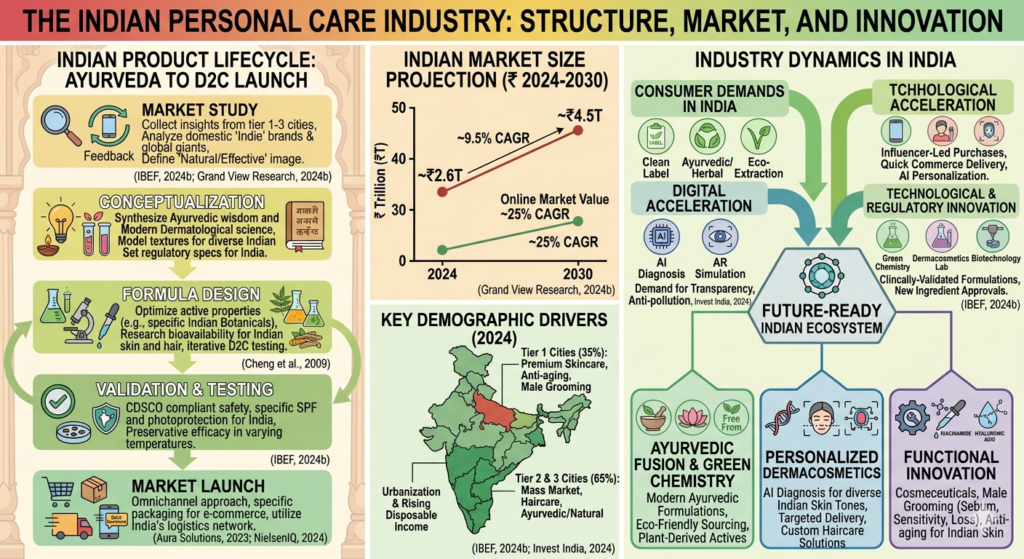
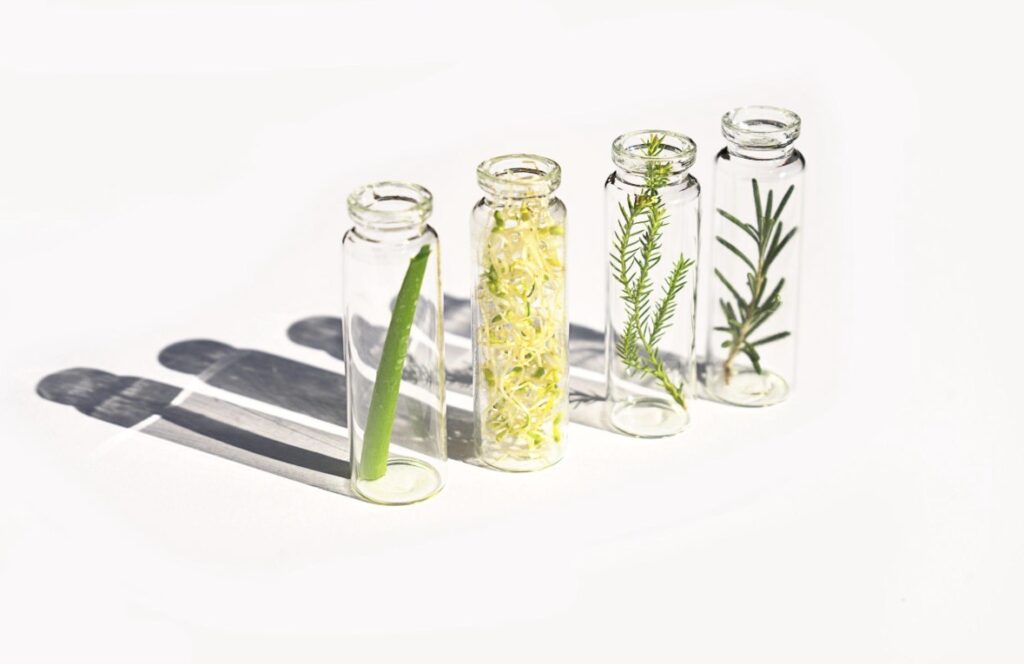
The transition toward clean-label formulations is driving reformulation strategies across product categories. Elimination of parabens, sulphates, and formaldehyde donors has accelerated the adoption of plant-derived actives, biotechnology-derived ingredients, and green chemistry approaches. Concurrently, demand for vegan and cruelty-free products is influencing raw material sourcing, supply chain transparency, and certification compliance.
Digital platforms are transforming product development and commercialisation. AI-driven dermatological assessment tools and algorithm-based recommendation engines enable hyper-personalised skincare regimens. Additionally, social media ecosystems function as rapid validation channels for product efficacy and consumer acceptance, particularly benefiting indie and niche brands.