

Bengaluru-based biochemical startup altM has launched a fully integrated biorefinery pilot facility in Bengaluru, marking its transition from laboratory research to pilot-scale manufacturing.
The plant will enable the company to validate its ability to produce industrial-grade, bio-derived chemicals that are compatible with existing manufacturing systems. altM uses a thermochemical process to convert agricultural residues such as rice straw and sugarcane bagasse into scalable, low-carbon biochemicals and biomaterials through its proprietary biorefinery platform, altMORPH.
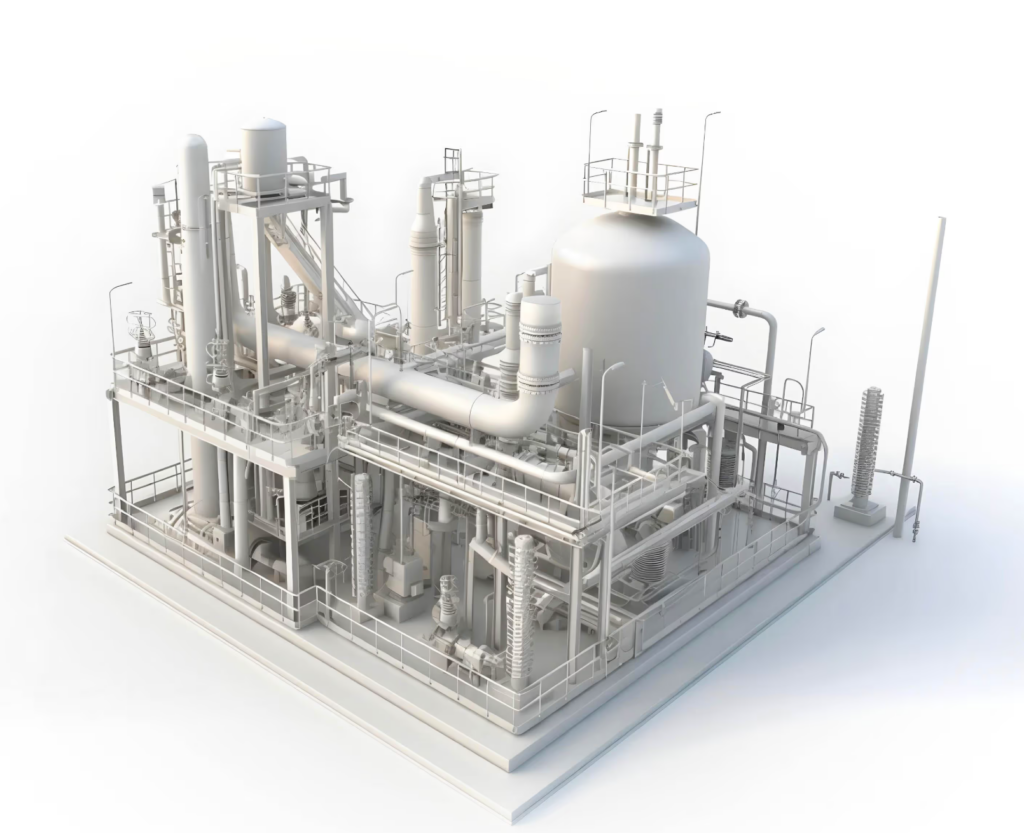
The pilot facility has a production capacity of 15–50 tonnes per annum and will allow the company to scale output from kilogram to tonne volumes while testing throughput, product quality, yield and unit economics under industrial conditions.
Initial materials produced at the facility are already being evaluated across sectors including cosmetics, wood adhesives and construction materials. According to Apoorv Garg, CEO and co-founder of altM, the objective is to demonstrate that bio-based materials can meet both performance requirements and commercial viability at scale.
The company’s integrated process produces multiple materials from a single biomass feedstock, including a cellulose-based rheology modifier, a formaldehyde-free lignin wood adhesive and a lignin-based UV blocker. By utilising all biomass fractions, the system aims to improve efficiency, yield and overall production economics.
altM expects the pilot facility to begin generating early commercial revenue from Q1 2026. The company plans to commission its first commercial manufacturing plant with a capacity of 1,500–2,000 tonnes per annum by 2027, with a roadmap to scale to 10,000 tonnes annually through a decentralised production model within five years.