

India’s aesthetic medicine sector is entering a structured growth phase, driven by expanding dermatology networks, rising procedural acceptance, and improved access to technology-enabled treatment protocols. While public discourse often highlights practitioner visibility and consumer demand, the more significant shift is occurring across clinical supply chains, formulation science, and regulatory alignment.
For manufacturers of professional skincare, injectables adjuncts, device-compatible topicals, and clinic-exclusive formulations, the aesthetic segment represents a high-margin and compliance-sensitive opportunity.
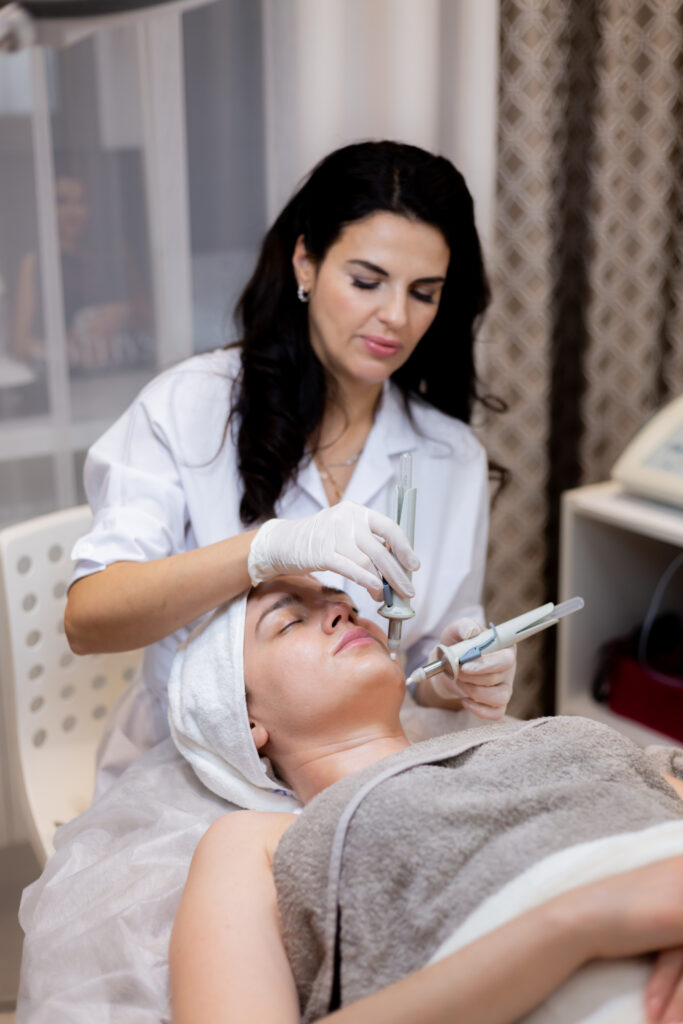
From Beauty Services to Clinical Aesthetics
Aesthetic medicine in India is transitioning from conventional cosmetic services toward medically supervised interventions. Dermatology clinics and aesthetic centers are increasingly adopting standardized protocols for procedures such as chemical resurfacing, laser-assisted treatments, pigment correction, and minimally invasive rejuvenation techniques.
This evolution is influencing upstream manufacturing in three ways:
- Greater demand for procedure-support formulations with validated safety profiles
- Emphasis on clinically tested actives with peer-reviewed backing
- Tighter scrutiny of ingredient transparency and contraindication disclosures
Manufacturers supplying this segment must align with dermatological expectations rather than retail positioning strategies.
Regulatory and Classification Considerations
In India, aesthetic products that border therapeutic claims require careful positioning under the Drugs and Cosmetics Act, 1940 and the Drugs and Cosmetics Rules, 1945. Products marketed with medical performance claims risk reclassification if documentation and claim language are not appropriately structured.
Oversight mechanisms operate under the Central Drugs Standard Control Organization (CDSCO), with state authorities managing licensing and enforcement. For clinic-dispensed formulations, documentation should include:
- Safety and irritation testing reports
- Stability validation data
- Clear ingredient concentration disclosures
- Controlled claims substantiation
Manufacturers must distinguish between cosmetic positioning and drug classification triggers, particularly in pigment-modulating and anti-aging categories.
Technology Integration and Device Compatibility
The future of aesthetic medicine in India is increasingly device-led. Laser systems, radiofrequency platforms, microneedling devices, and energy-based equipment are becoming standard infrastructure in urban clinics.
This shift generates demand for:
- Pre-procedure skin conditioning formulations
- Post-procedure barrier repair systems
- Anti-inflammatory and pigmentation management support products
- Sterility-compliant packaging formats
OEM and private-label partners serving this space must ensure compatibility with device protocols and avoid ingredient interactions that compromise treatment efficacy.
Professional Education and Supply Chain Quality
As aesthetic practice matures, clinic operators are prioritizing evidence-backed formulations and supplier credibility. Procurement decisions are influenced by:
- GMP compliance under Schedule M-II
- Batch traceability systems
- Consistent raw material sourcing
- Dermatologist-facing technical documentation
Export-oriented manufacturers must also anticipate alignment with international benchmarks, particularly if clinics cater to medical tourism segments.
Strategic Outlook for Cosmeceutical Manufacturers
India’s aesthetic medicine growth trajectory presents scalable opportunities for clinically aligned product development. However, this segment operates under higher documentation standards, tighter claim scrutiny, and increased medico-legal sensitivity.
For manufacturers, success in this space will depend on:
- Early regulatory integration during formulation development
- Evidence-based marketing frameworks
- Transparent technical dossiers
- Robust quality systems and pharmacovigilance awareness
Aesthetic medicine in India is no longer an adjunct to beauty retail. It is emerging as a clinically anchored category requiring disciplined regulatory navigation and manufacturing precision.