

Home care products encompass a broad portfolio of chemical formulations designed for domestic hygiene, cleaning, and sanitation. These include detergents, surface cleaners, air fresheners, disinfectants, and specialised cleaning agents for kitchens, bathrooms, fabrics, and hard surfaces. Increasing regulatory alignment across regions is reshaping how these products are formulated, classified, labelled, and placed on the market.
Overview of Home Care Product Categories and Formulation Complexity
Household cleaning formulations represent one of the most chemically diverse segments within the consumer chemicals industry. Products are available in multiple physical forms powders, liquids, gels, pastes, aerosols, and concentrates each presenting distinct formulation and stability challenges.
The pH range across categories is exceptionally wide, extending from highly acidic bathroom descales to strongly alkaline oven and drain cleaners. Typical formulations may contain surfactants, solvents, builders, abrasives, bleaching agents, fragrances, antimicrobial actives, or preservatives, depending on intended use and performance requirements.
Key home care product segments include:
- Laundry care products (powders, liquids, fabric conditioners, stain removers)
- Dishwashing products (liquids, bars, powders)
- Surface and floor cleaners
- Bathroom and toilet cleaners
- Insecticides and repellents
- Air fresheners and scenting systems
- Cleaning tools and accessories
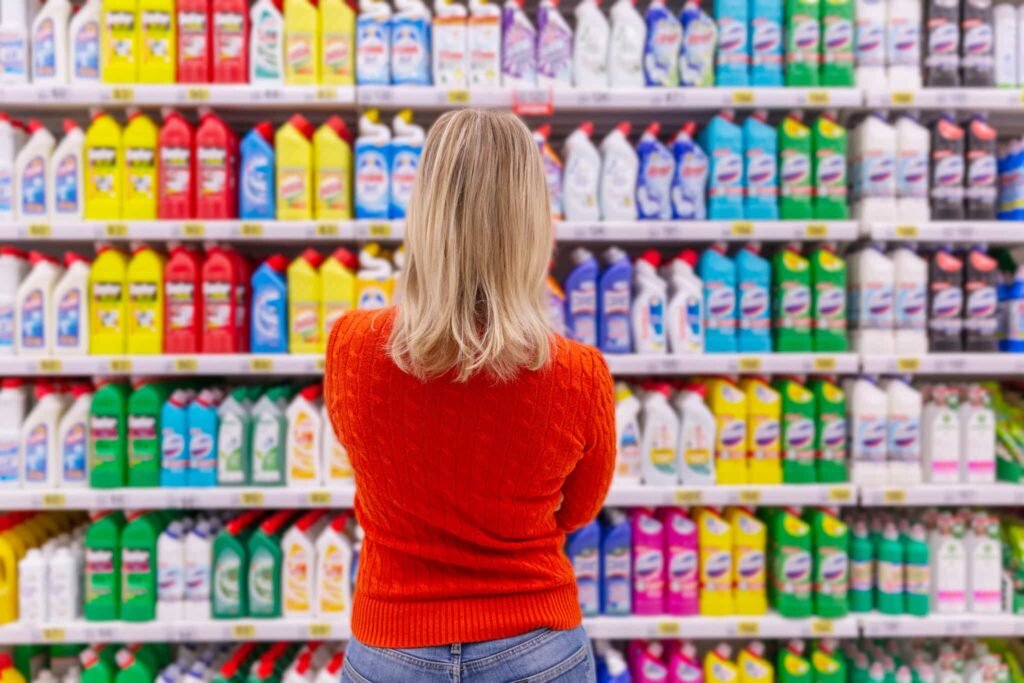
Global Household Cleaning Products Market: Size and Growth Outlook
The global household cleaning products market was valued at approximately USD 34.3 billion in 2024 and is projected to grow steadily through the next decade, supported by rising hygiene awareness, urbanisation, and increasing disposable incomes in emerging economies.
Growth is further reinforced by heightened focus on infection prevention, particularly in high-traffic household areas such as kitchens and bathrooms. Innovation in sanitising formulations, concentrated products, and convenient application formats continues to shape product development pipelines.
Source: Public market analysis reports (various industry estimates).
Market Drivers and Post-Pandemic Behavioural Shifts
The COVID-19 pandemic resulted in a structural shift in consumer cleaning behaviour, with disinfection becoming a priority rather than an occasional practice. Industry analyses indicate a sustained preference for disinfecting products, especially within surface cleaners and multipurpose formulations.
This behavioural shift has translated into sustained demand for antimicrobial efficacy, while simultaneously increasing regulatory scrutiny of claims, actives, and labelling accuracy.
Emerging Market Opportunities and Regional Growth Dynamics
Emerging economies, particularly in Asia-Pacific, are expected to outperform global averages in household cleaning product growth. Factors contributing to this trend include rising urban populations, expanding middle-income segments, and improved retail penetration.

Manufacturers operating in these markets increasingly rely on localisation strategies, including:
- Smaller pack sizes for price accessibility
- Formulations adapted to local cleaning practices
- E-commerce-led distribution models to bypass traditional retail constraints
Regulatory Frameworks Impacting Home Care Products
CLP Regulation (Classification, Labelling, Packaging)
Under EU regulations, the CLP framework is mandatory for all home care products placed on the market. Core requirements include:
- Hazard classification of substances and mixtures
- Creation and maintenance of Safety Data Sheets (SDS)
- Standardised hazard communication, including pictograms and precautionary statements
- Mandatory label elements and packaging compliance
CLP compliance directly influences formulation decisions, artwork development, and supply chain documentation.
Detergents Regulation and Surfactant Biodegradability
Detergent products are additionally governed by specific regulatory requirements addressing:
- Primary and ultimate biodegradability of surfactants
- Restrictions on certain regulated ingredients
- Ingredient disclosure obligations
- Supporting technical documentation
These provisions are particularly relevant for formulation teams and raw material procurement functions.
Biocidal Products Regulation and ECHA Oversight
Products making antimicrobial or disinfectant claims may fall under the Biocidal Products Regulation (BPR), administered by the European Chemicals Agency (ECHA). A biocidal product is defined as any substance or mixture containing active substances intended to destroy, deter, or control harmful organisms.
Compliance under BPR significantly affects:
- Active substance approval status
- Product authorisation timelines
- Claims substantiation
- Market entry strategy within the EU
Operational Implications for Industry Stakeholders
Regulatory harmonisation increases transparency but also elevates compliance costs and technical complexity. Manufacturers must align formulation, regulatory, QA/QC, labelling, and supply chain functions to ensure consistent compliance across jurisdictions.
Early regulatory assessment during product development has become critical to avoid reformulation delays, artwork rework, or market withdrawal risks.
Risks, Limitations, and Compliance Challenges
- Variability in regional regulatory adoption timelines
- Increased documentation and testing costs
- Claim restrictions impacting marketing flexibility
- Dependency on approved active substances and raw materials
This article provides informational analysis only and does not constitute legal or regulatory advice. Regulatory interpretation may vary by jurisdiction and should be validated with qualified compliance professionals.
Conclusion
The home care and household cleaning sector is entering a phase of tighter regulatory convergence, particularly in mature markets. While harmonisation supports safety, transparency, and cross-border trade, it also demands higher technical and regulatory sophistication from manufacturers and brand owners. Strategic alignment between formulation science and regulatory compliance will remain a key competitive differentiator.